Soledad Corti Otaegui de Chile ha plantado 1 árbol en la Patagonia.
Árboles plantados
Native forests play a key role in supporting various sectors, local economies, and initiatives dedicated to their protection and recovery. Even so, restoration efforts continue to face incentive and opportunity gaps, particularly within privately owned lands, which represent a significant portion of the country.
In this context, driving reforestation in areas of high ecological and social value emerges as a tangible opportunity to generate a positive impact.
With this purpose in mind, in 2021 we launched this program, which invites citizens and landowners to apply to have their private lands reforested through two initiatives:

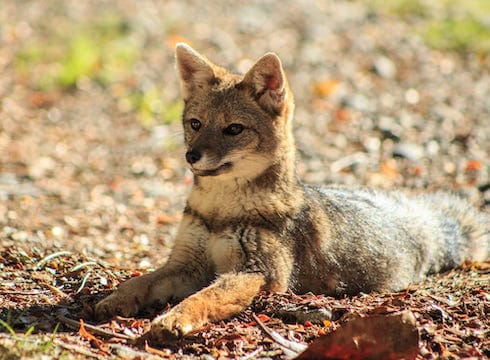
Native forests are home to 80% of the world’s terrestrial biodiversity. Restoring them means allowing wildlife to return and reclaim what was once their home.
A dynamic and ecological management approach that integrates trees and shrubs with crops or livestock production systems to deliver environmental, economic, and social benefits in an ecologically sustainable manner.
Restoring these areas provides connectivity between landscapes, ecosystems, and habitats, safeguarding biological diversity as well as ecological and evolutionary processes.
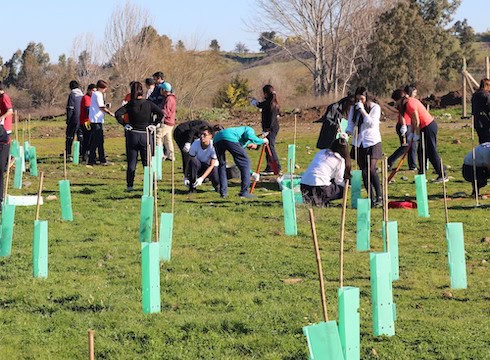
As a major driver of the global climate crisis, land-use change demands urgent action. Reforestation is the first step toward ecological restoration, which—when combined with education and deep local community engagement—amplifies our impact.
Some projects aim to create spaces for hosting educational workshops for the public, allowing citizens to learn about native flora and fauna, and how to protect them.
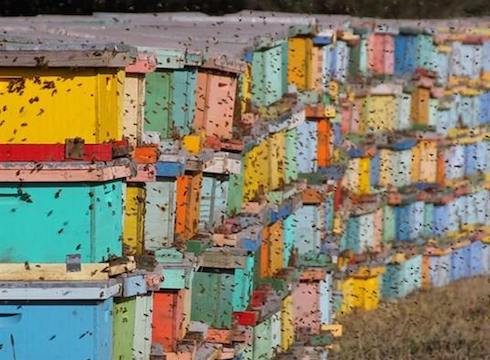
Supporting beekeepers and small-scale producers whose livelihoods depend on bees and sustainable forest management. Ultimately, the pollination of wild plants is vital to sustaining life on Earth.
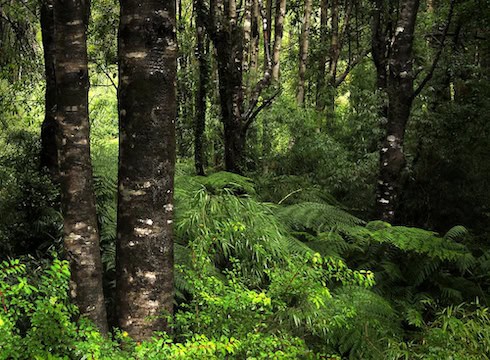
This program has impacted landowners living across the Maule to Aysén regions, deploying a wide diversity of native species from the sclerophyllous, deciduous, lauriphyllous, and Patagonian forests.
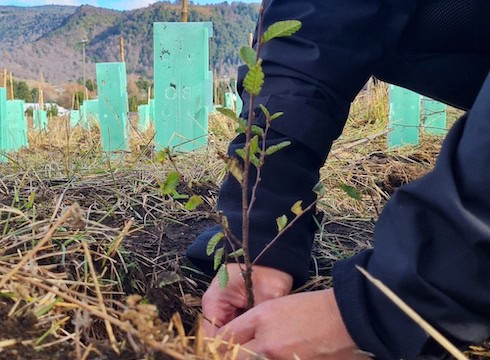
We carry out a comprehensive restoration process that tackles deforested areas hand in hand with the community, ensuring a positive change that endures over time.
Civil society is showing a growing interest in restoring the environment, particularly at the local level. Program beneficiaries come from diverse sectors, presenting a prime opportunity to mobilize both economic and technical resources.
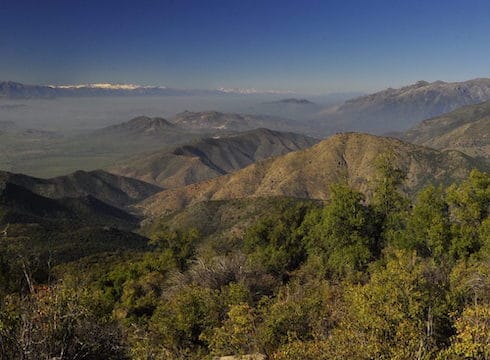
Over 70% of the small-scale landowners are located in the Maule region—a global biodiversity hotspot rich in endemic species yet highly degraded. Consequently, ecological restoration in these areas is highly relevant from a socio-ecological perspective.