Soledad Corti Otaegui de Chile ha plantado 1 árbol en la Patagonia.
Árboles plantados
The Dr. Justo Pastor León Experimental Station of the University of Chile (Pantanillos), located 1.6 kilometers from the iconic town of Santa Olga in the commune of Constitution, Maule Region, is the first forest-based classroom of the university’s Faculty of Forest Sciences and Nature Conservation.
It is a property that was donated in 1978 for teaching purposes, featuring an experimental vocation in forestry and agricultural matters, where students come year after year to learn about native forests and forest research.
This property is located in an area that forms part of the Mediterranean biodiversity hotspot, meaning it is home to a great wealth of species that are under threat. Its forests, in particular, are heavily threatened by the effects of climate change, primarily due to a decrease in precipitation, which has reached 40% over the last decade.
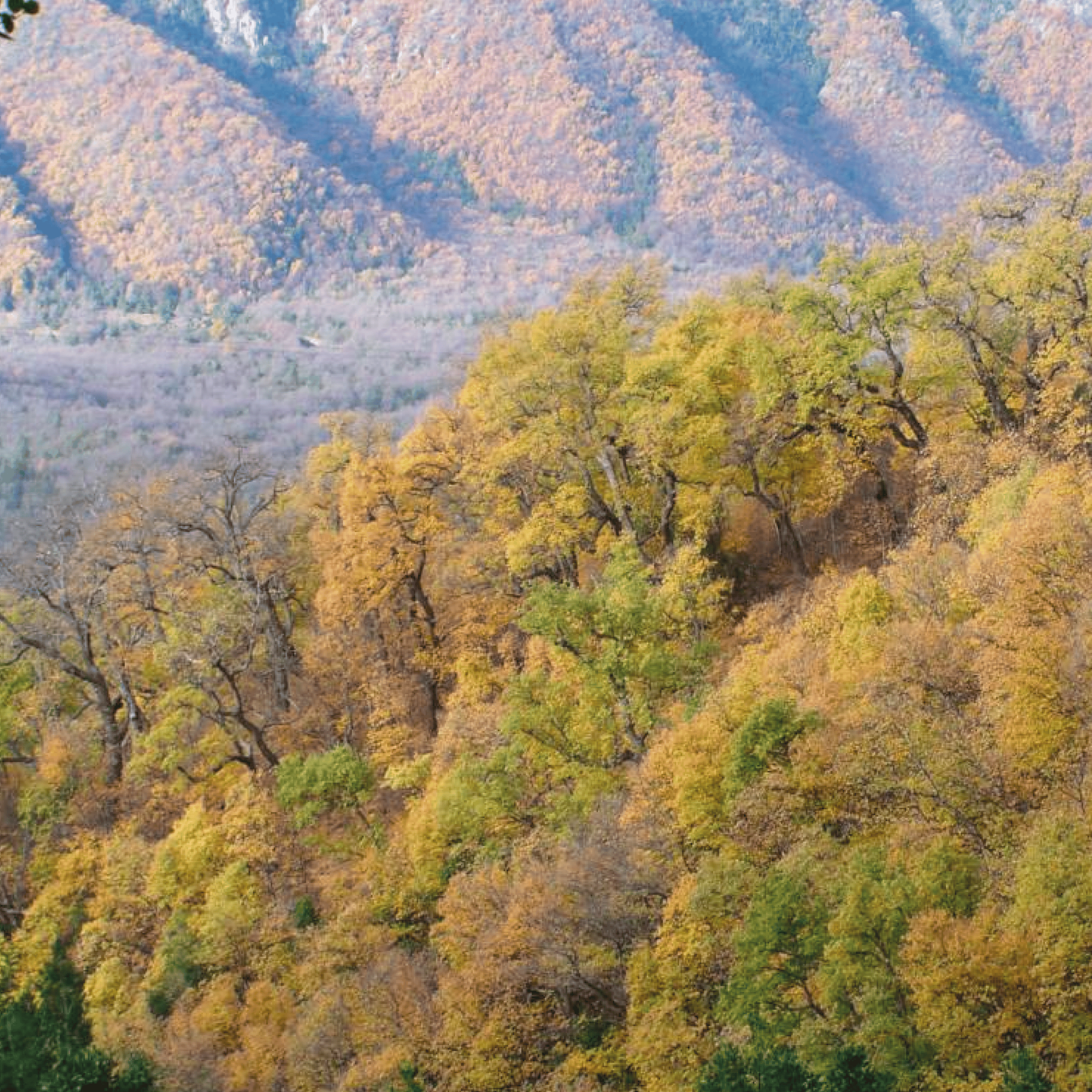
Due to the region’s characteristics, two dominant forest types can be distinguished: Sclerophyllous Forest and Maulino Forest.
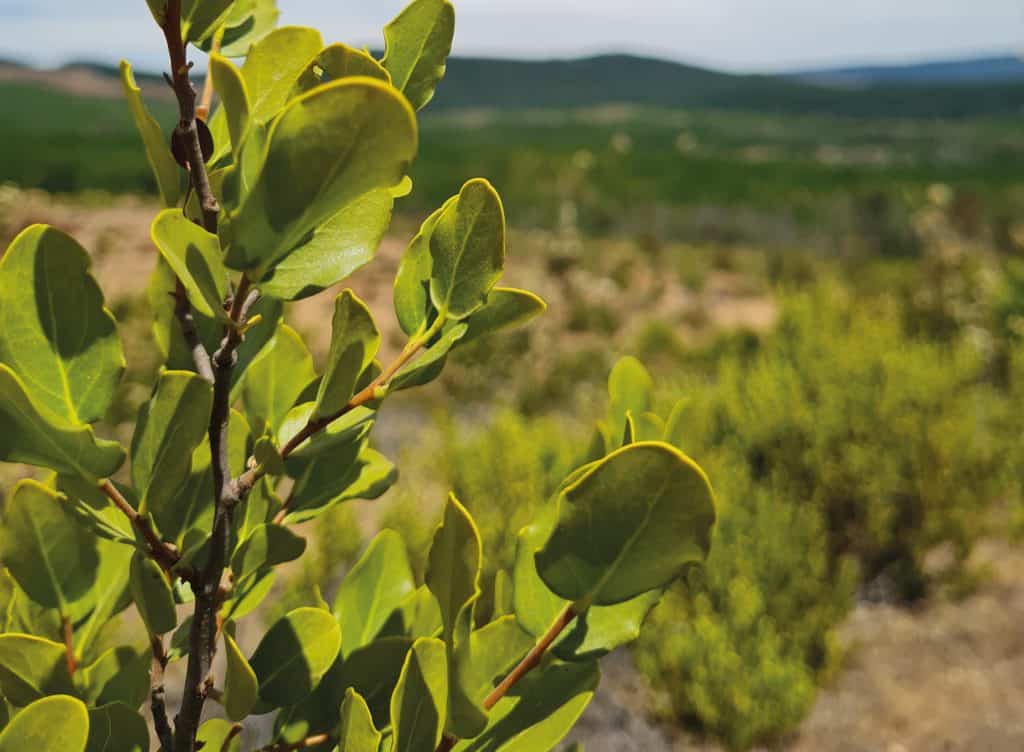
Found in only five places in the world, our country has the privilege of being one of them. As its name implies, it features species with hard leaves and short internodes, allowing them to easily adapt to Mediterranean-type climates. Despite this, their leaves remain green year-round. The species that comprise it include: quillay, peumo, litre, boldo, northern belloto, maitén, and Chilean palm.
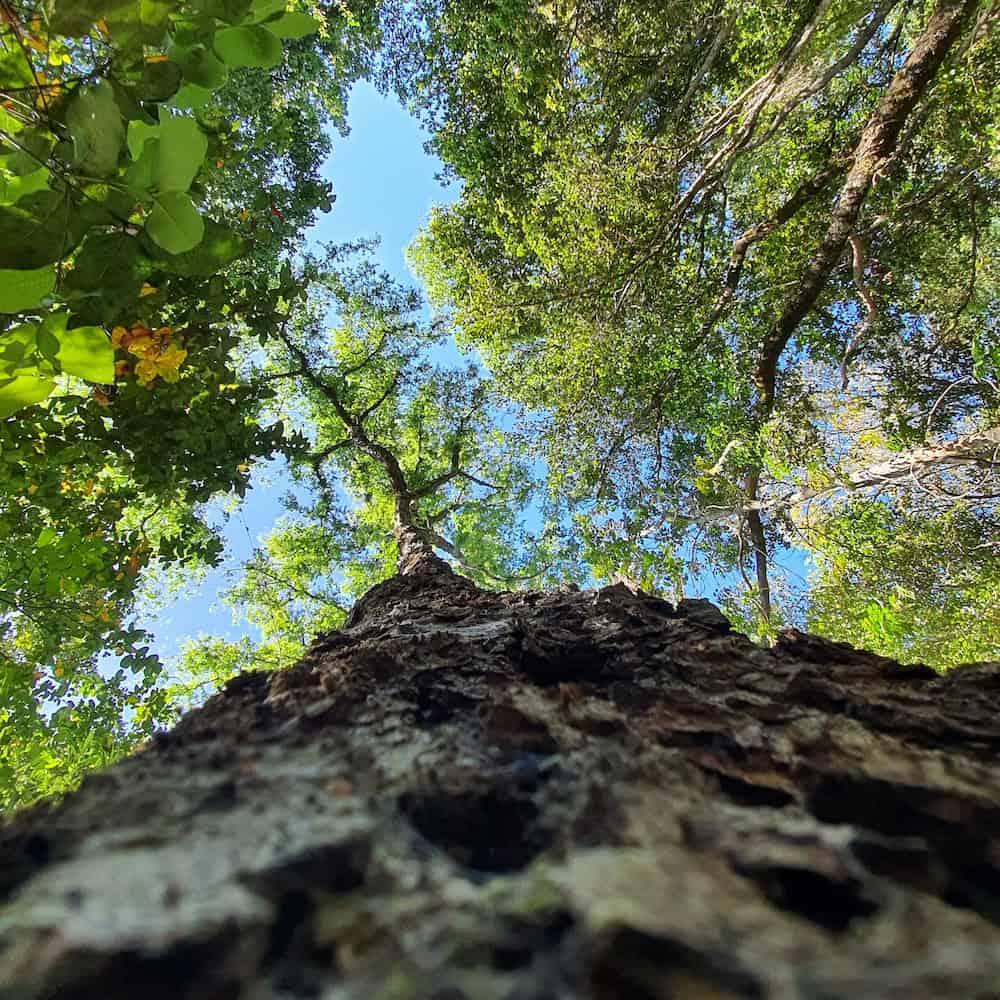
One of Chile’s most fragmented ecosystems, recognized as a forest of great conservation importance due to the endemic trees that live there. These are valuable species that are unfortunately facing conservation concerns, such as the Ruil, Pitao, and Queule.
During January and February 2017, south-central Chile was affected by a series of wildfires which, starting on January 18 and for more than 17 consecutive days, constituted the mega-fire known as the “firestorm”—an event recorded as the first of the “sixth generation” of forest fires, given its high intensity and rate of spread.
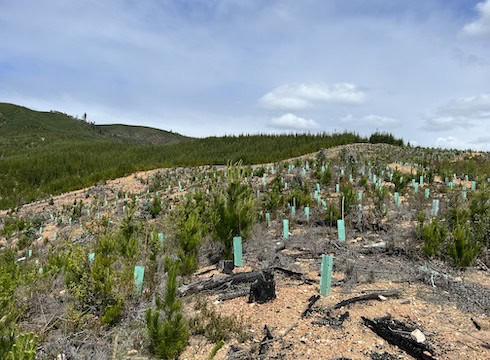
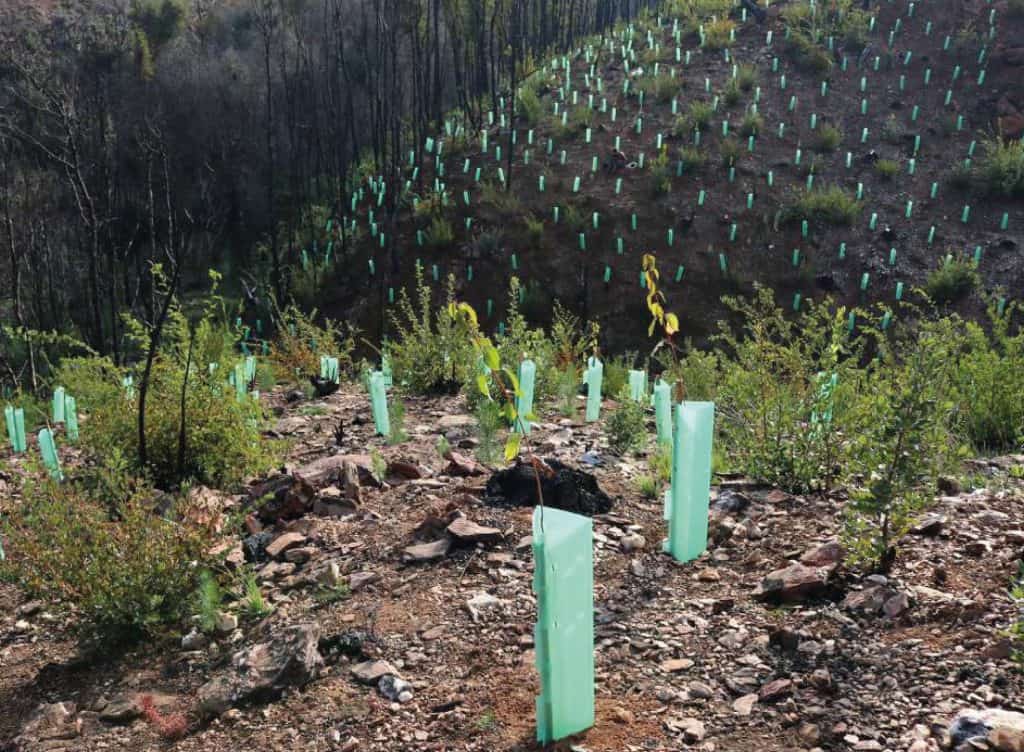
Official figures indicate that a total of 518,174 hectares were affected, with 90.2% concentrated across the O’Higgins (17%), Maule (54.1%), and Biobío (19.1%) regions. One of the hardest-hit areas was the town of Santa Olga, where literally everything burned. Just 1.6 kilometers away lies Pantanillos; consequently, its fate was very similar, with the fire sweeping through more than 400 hectares of the property.

Chemical and mechanical control is carried out to prevent the regeneration of radiata pine and eucalyptus. In this way, the goal is to prevent these introduced trees from becoming significant competition for the native species plantation.
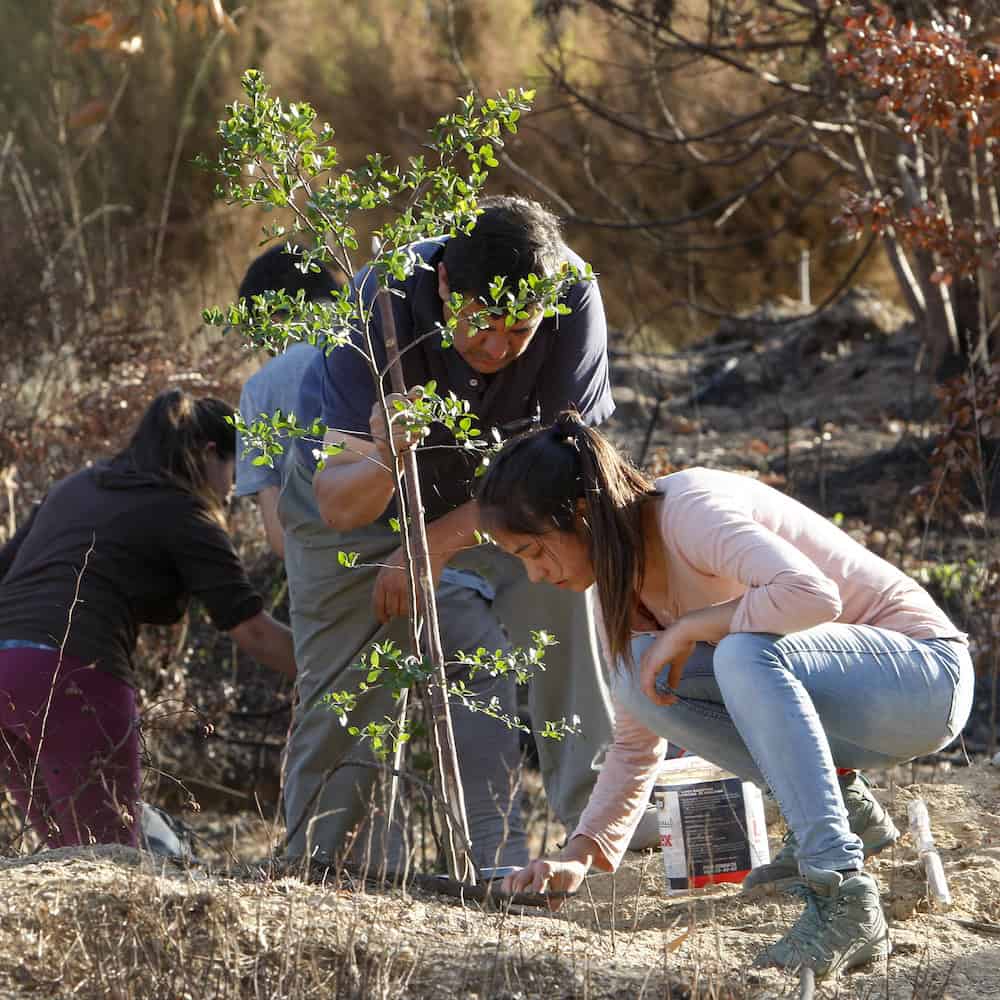
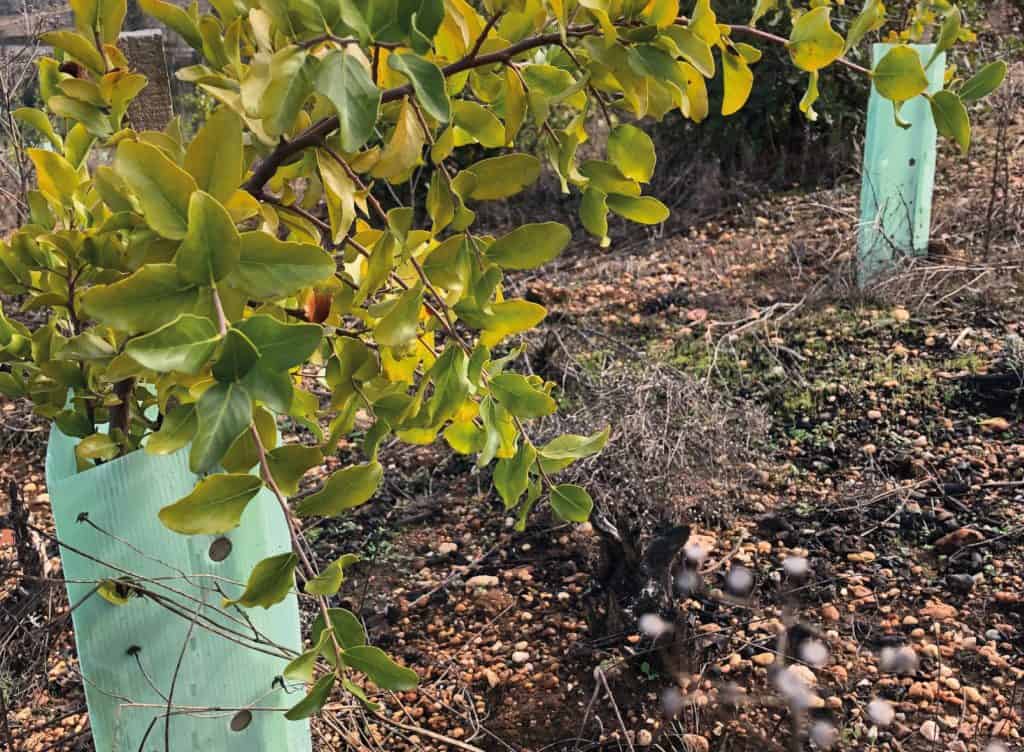
Reforestation to boost natural growth and the ecological recovery of the Maulino Forest by planting 36,000 native trees typical of this type of forest. Hualo was our main species, while the secondary or companion species used were peumo, radal, maqui, litre, and arrayán.
Planting of 37,900 quillay trees to boost local commerce through honey production and the use of biomass for saponin extraction. Following the wildfires in south-central-Chile, the beekeeping sector was one of the hardest hit. This project will be enhanced in 2024 with an additional 6,000 plants.
In each of our projects, maintenance and monitoring tasks for the carried-out reforestation will be carried out over the first five years, in order to check the survival and development of the plants.
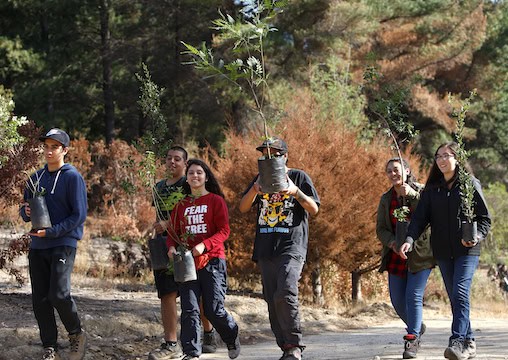
With the purpose of involving citizens and companies in the urgency of protecting and restoring the native forest, we organize volunteer events for the reforestation of certain areas.