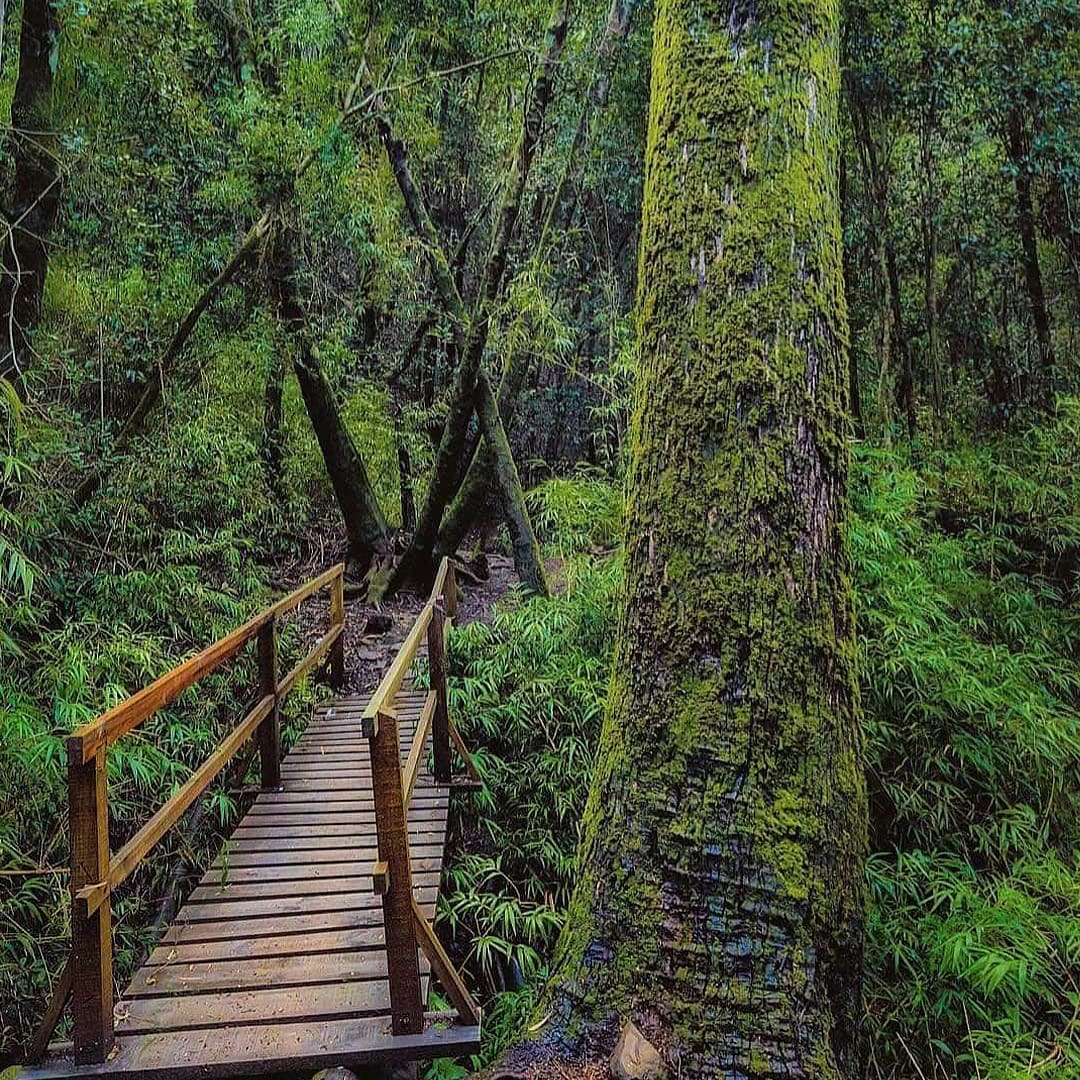
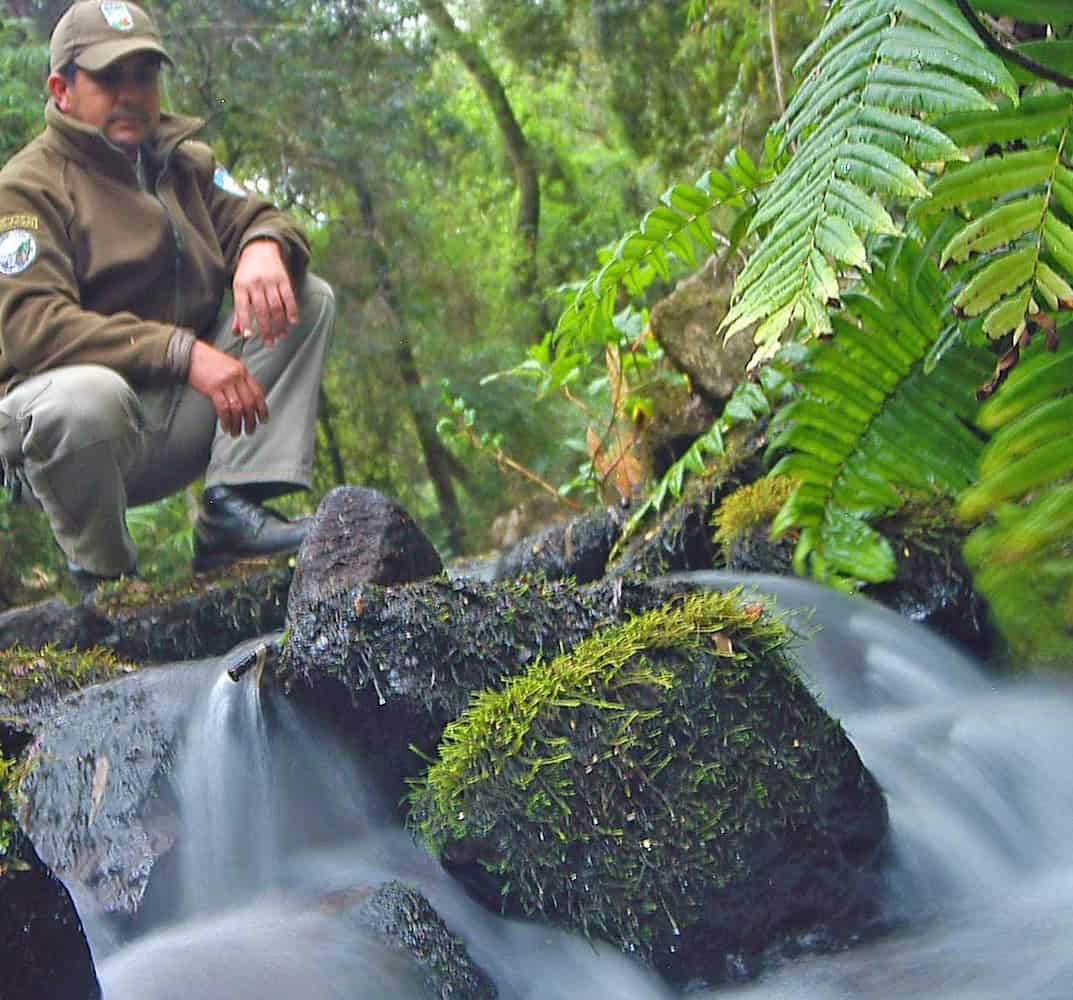
This important deciduous forest reservoir spanning 2,539 hectares is Chile’s first peri-urban national park; in other words, it is a unique natural space located near an urban center that serves the recreational needs of the population. Situated in the Biobío Region and spanning the communes of Chiguayante and Concepción, Nonguén National Park is interconnected with the urban environment, where environmental protection can coexist with recreational, educational, economic, and developmental functions.
In 2020, following 10 years of administration and management of the national reserve by the National Forest Corporation (CONAF), significant recovery of altered areas was observed, along with theidentification of new species and a deeper understanding of the area’s potential for biological diversity preservation—which provided the basis for its recategorization as a National Park.
RELEVANCE
The park protects the last significant remnant of Concepción’s deciduous forest, which once covered the region’s Coastal Range and was almost entirely replaced by agricultural crops and forestry plantations. This site safeguards what little remains of the flora and fauna characteristic of this ecosystem and habitat.
Furthermore, the park protects the Nonguén Estuary watershed, one of the most important coastal basins in the Biobío Region. However, due to its hydrological characteristics and water quality, this river system is highly environmentally vulnerable. Consequently, maintaining its water production depends on the conditions and characteristics to which the upper and middle sections of the watershed are subjected—especially regarding forest cover.
FLORA
The type of forest existing in the park is characterized by the presence of dominant species that are very interesting and ecologically valuable. Among them, the Chilean oak, peumo, lingue, avellano, coihue, canelo, arrayán, and olivillo stand out. In addition, it safeguards scarce species in this area, such as the raulí, tineo, and Huillipatagua, as well as the existence of the Michay de Neger (Berberis negeriana), an endangered shrub plant endemic to the Biobío Region.
Furthermore, the presence of the pitao (Pitavia punctata) has recently been discovered—a tree species facing serious conservation issues whose populations are restricted to just a few locations between the Maule Region and northern Araucanía.
FAUNA
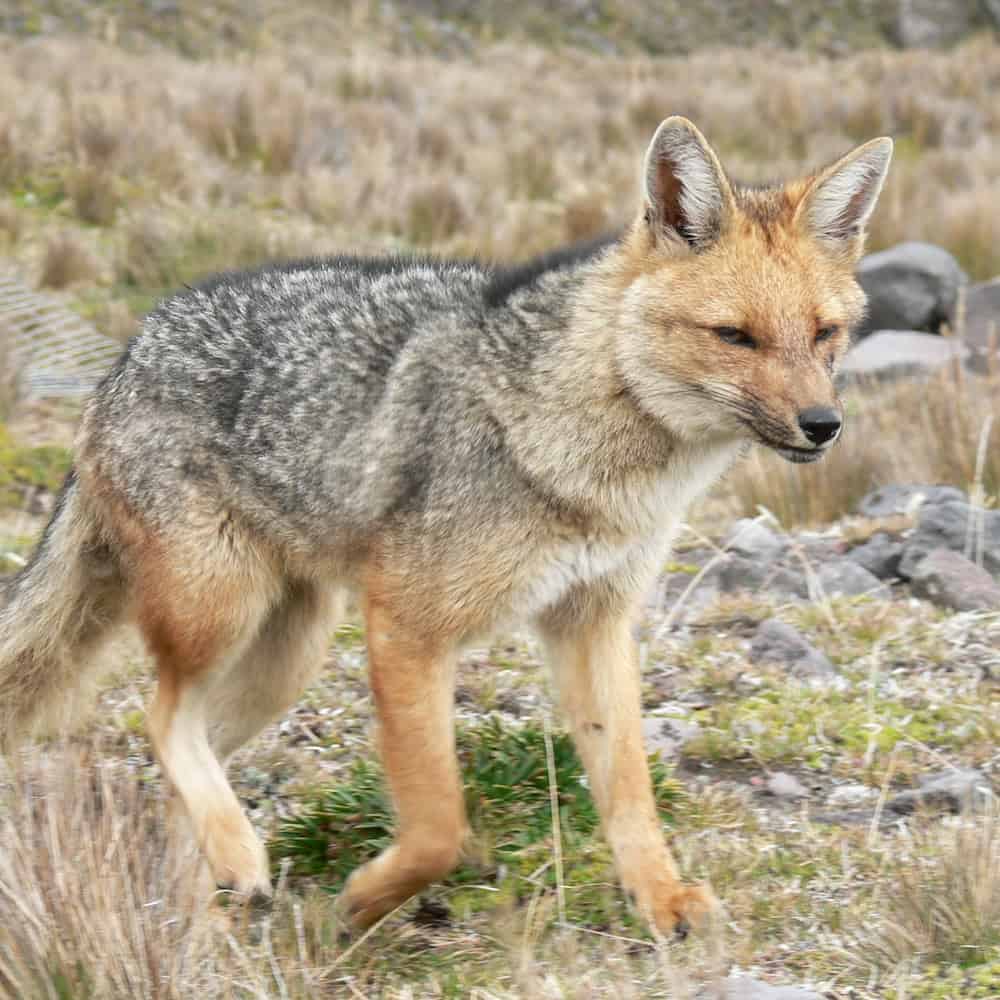
The great diversity of animal species present in Nonguén National Park is closely related to the ecosystem that sustains this watershed. The coexistence of scrublands and native forests in various stages of ecological development has fostered multiple habitats that shelter wildlife, making this protected area exceptionally important for the conservation of these species, with 105 vertebrate species in different conservation statuses. Among them, mammals such as the monito de monte, fox, and pudú stand out; amphibians like Darwin’s frog; and birds such as the ferruginous pygmy-owl, red-backed buzzard, barn owl, thorn-tailed rayadito, and chucao.
THE CHALLENGE
In January 2020, a wildfire originating in the Santa Justina sector on the outskirts of Chiguayante reached Nonguén National Park. The blaze damaged around 90 hectares of territory within the western sector of the unit; of that area, nearly 50% corresponded to native forest. Because it is a peri-urban park, fires occurring in communities put the park at risk, as well as threatening their spread to other peri-urban areas.
Since then, Fundación Reforestemos has been supporting its restoration with an ongoing commitment that extends to other emergencies, such as the recent wildfire during the 2025–2026 season.
As Reforestemos, we have carried out the following lines of action:
Preventive Silviculture
Fire prevention through the construction of firebreaks in the most relevant perimeter areas bordering the park (approximately 12 km). In addition, the setup of two helipads and roads to facilitate access for brigades to combat a potential fire.
Site Preparation and Clearing
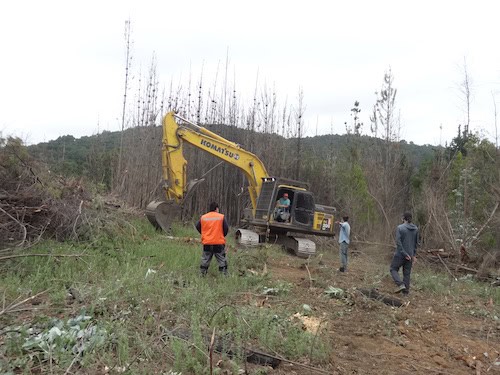
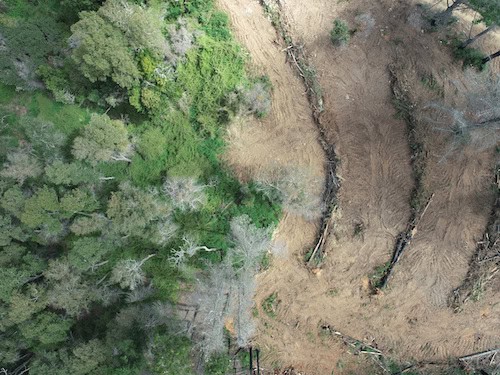
Reforestation for restoration purposes in the park requires significant prior work, such as the control of exotic species and post-fire debris cleanup—a task that, due to its complexity, requires machinery and specialized labor.
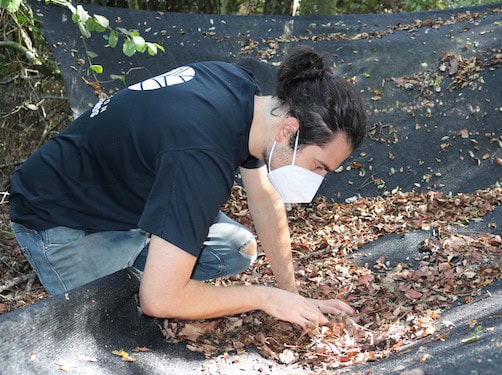
Reforestation through Germplasm Collection
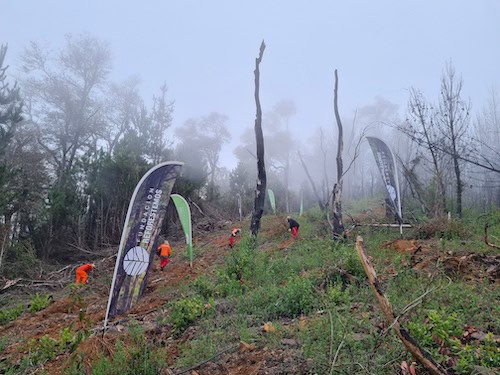
We reforested nearly 20 hectares with species from the same genetic material originating in the park. This will allow the 60,000 planted trees (quillay, peumo, roble, and maqui) to have greater resilience to climatic conditions.
Maintenance and Monitoring Tasks
The activities carried out usually require a second corrective post-planting stage, which may include replanting, maintenance, cleaning, and/or exotic species control activities.
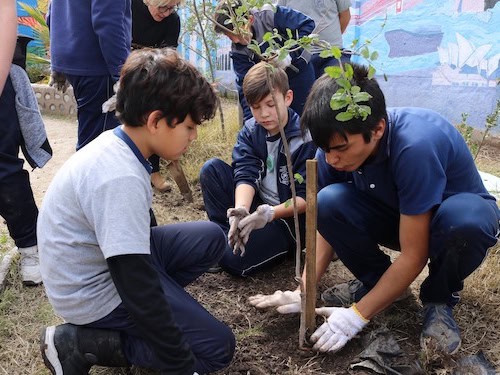
Environmental Education and Outreach
Education and awareness sessions on the danger posed by wildfires and the risk they represent for both wildlife and communities.
¿Por qué colaborar con nosotros?
Invierte con tu empresa en acciones concretas por el planeta
¿Por qué colaborar con nosotros?
Invierte con tu empresa en acciones concretas por el planeta
¿Por qué colaborar con nosotros?
Invierte con tu empresa en acciones concretas por el planeta
¿Por qué colaborar con nosotros?
Invierte con tu empresa en acciones concretas por el planeta
¿Por qué colaborar con nosotros?
Invierte con tu empresa en acciones concretas por el planeta
¿Por qué colaborar con nosotros?
Invierte con tu empresa en acciones concretas por el planeta
¿Por qué colaborar con nosotros?
Invierte con tu empresa en acciones concretas por el planeta
¿Por qué colaborar con nosotros?
Invierte con tu empresa en acciones concretas por el planeta
¿Por qué colaborar con nosotros?
Invierte con tu empresa en acciones concretas por el planeta
¿Por qué colaborar con nosotros?
Invierte con tu empresa en acciones concretas por el planeta
¿Por qué colaborar con nosotros?
Invierte con tu empresa en acciones concretas por el planeta
¿Por qué colaborar con nosotros?
Invierte con tu empresa en acciones concretas por el planeta
¿Por qué colaborar con nosotros?
Invierte con tu empresa en acciones concretas por el planeta
¿Por qué colaborar con nosotros?
Invierte con tu empresa en acciones concretas por el planeta
¿Por qué colaborar con nosotros?
Invierte con tu empresa en acciones concretas por el planeta