Soledad Corti Otaegui

Soledad Corti Otaegui de Chile ha plantado 1 árbol en la Patagonia.

0

Árboles plantados

Coyhaique National Reserve

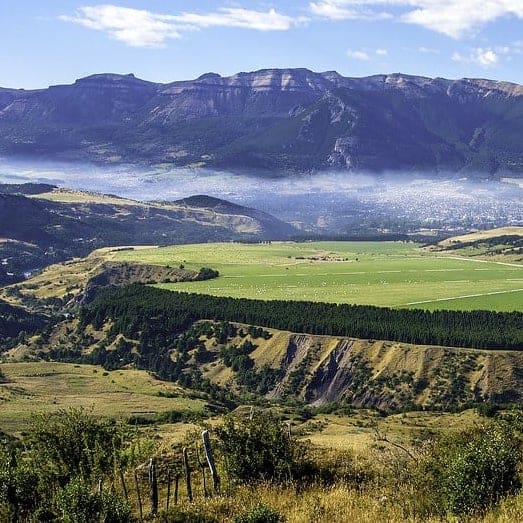
Coyhaique National Reserve, the second oldest protected area in the Aysén Region, is a Chilean protected wilderness area located north of the regional capital, less than 5 kilometers from the urban border. Established in 1948, it is set within a territory shaped by numerous historical and cultural events characteristic of the colonization of Aysén.

The reserve features numerous small lagoons, the largest being Laguna Los Mallines at 4.5 hectares, followed in importance by the renowned Laguna Verde and Laguna Los Sapos. Additionally, from certain vantage points, visitors can enjoy sweeping views of the entire city of Coyhaique, as well as Mount McKay and Mount Divisadero.

RELEVANCE

Thanks to its proximity to the urban area, the reserve provides recreational options for the region’s largest population center. Consequently, it plays a vital role in environmental education, primarily aimed at school communities and all visitors. Furthermore, it is a key area for restoring the region’s natural ecosystems—those that were severely impacted in the past.

FLORA

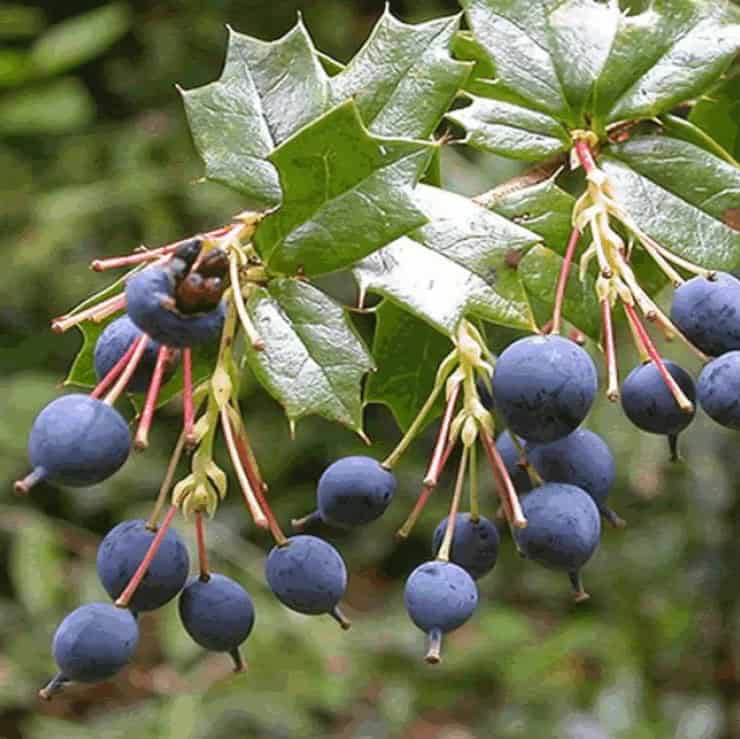
Much like its climate, the region’s vegetation features a diverse variety of species, highlighted by the predominance of cold, humid zone forests—such as those south of the Gulf of Penas, home to lenga, coigue, tepa, and ñirre, and the Chonos Archipelago, where the hygrophilous Guaitecas cypress forest prevails. Within the reserve, deciduous forest dominates, featuring species like lenga, common coigüe, ñirre, Chilean firebush (ciruelillo), chilco, calafate, and michay.

* Calafate.

FAUNA

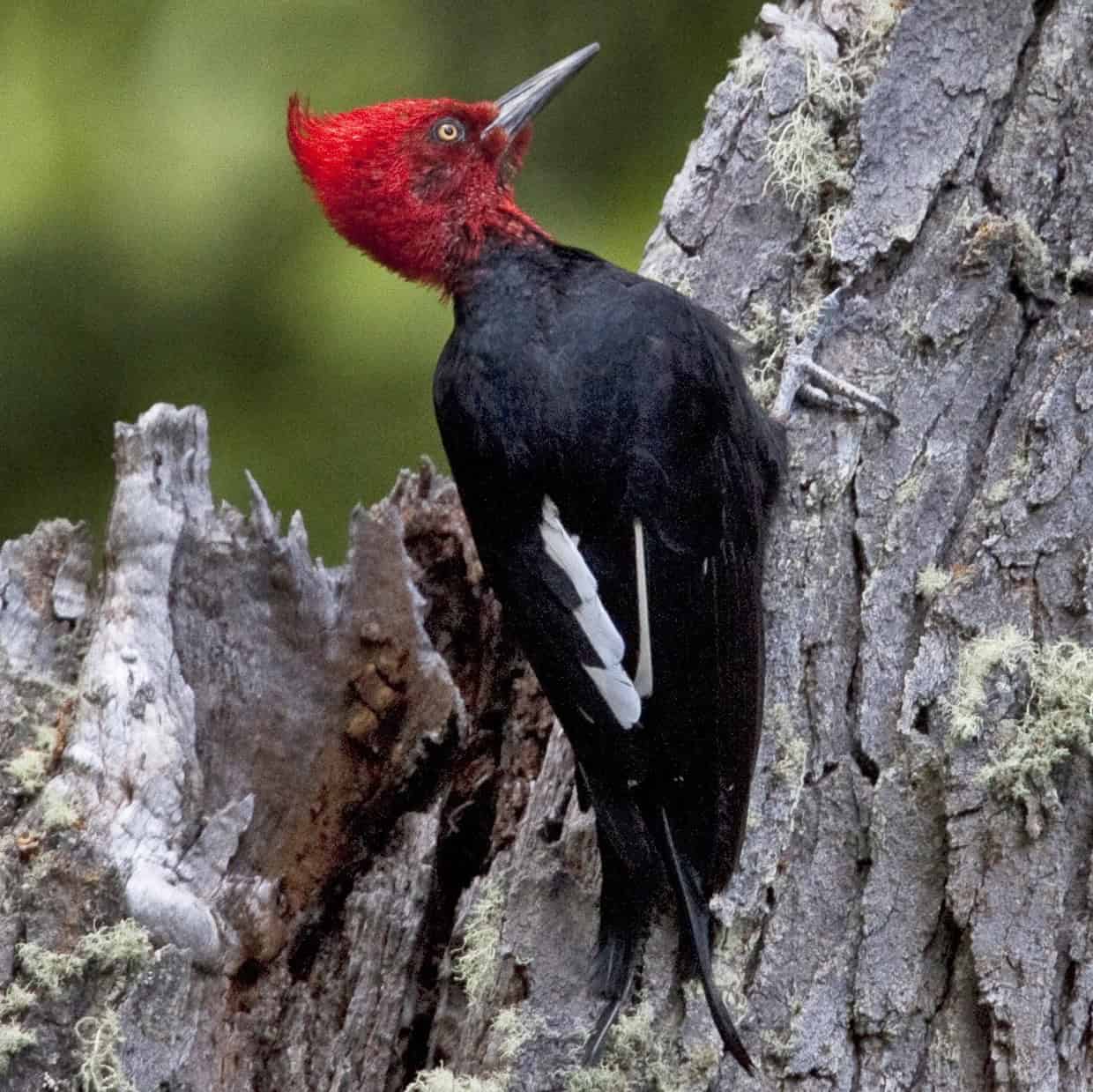
Similar to the Magallanes Region—and unlike other parts of the country—the presence of the Patagonian steppe in certain areas of Aysén shapes a fauna unique to this environment. However, it has suffered the consequences of human settlement, which relied on fire as a primary tool. Fortunately, within the reserve, it is still possible to observe wildlife such as pumas, Andean condors, chucao tapaculos, austral blackbirds, austral parakeets, American kestrels, Magellanic woodpeckers, Culpeo foxes, American minks, and coypus, among others.

* Carpintero negro.

THE CHALLENGE

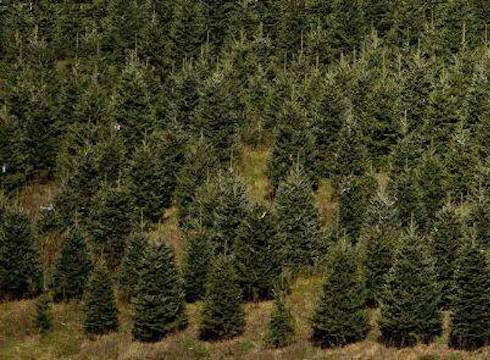
Chilean Patagonia suffered one of the largest fires in the country’s history during its colonization period, when vast stretches of ancient native forests were burned to clear land for agriculture and livestock farming—a time when deforestation was seen as synonymous with regional economic development. This deforestation, combined with agricultural and livestock activity, triggered rapid soil erosion. As an emergency measure, this erosion was countered by planting extensive areas of exotic species. After decades of soil stabilization through these plantations, the challenge now is to convert these exotic stands back into native forests, restoring the region’s natural ecosystems.

LINES OF ACTION

Fundación Reforestemos is implementing a restoration plan in Coyhaique National Reserve, aimed at returning these lands to a more natural state through the following actions:

Invasive Species Control

Replacing the current stand of exotic species inhabiting the area—such as Ponderosa pine, lodgepole pine, and Douglas fir—with a native forest, restoring it to its original state.

Native Reforestation

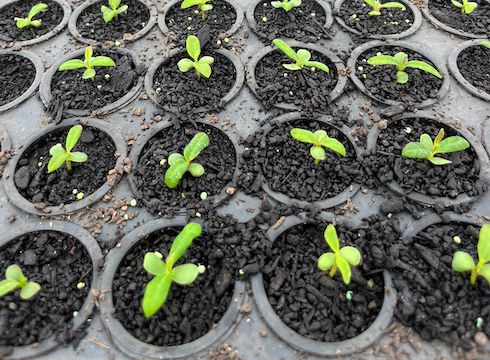
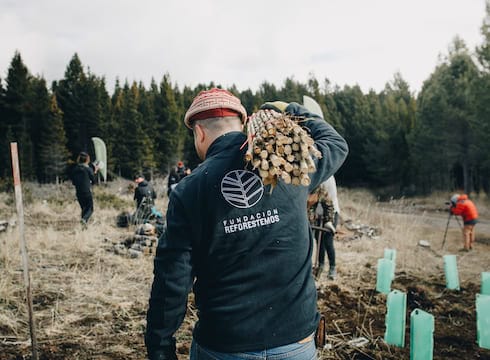
We have planted over 121,000 native trees across 72.77 hectares within the reserve, using species such as coihue, lenga, and Chilean firebush (ciruelillo).

Species Donation

This project is part of the Exotic Plantation Conversion Program for Native Reforestation led by CONAF in the Aysén Region, where Reforestemos donated 10,000 lenga trees to be planted in the unit during 2020.

Monitoring

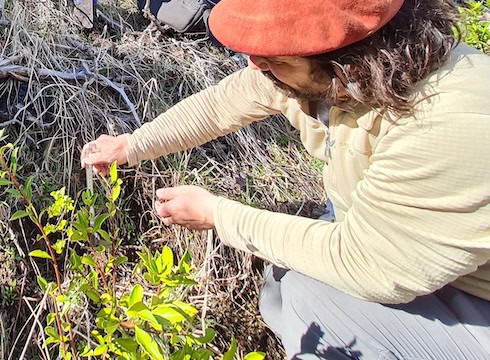
Reforestation maintenance is carried out during the first five years to evaluate seedling establishment and growth. Since the threat of lagomorph browsing in this area is low, tree shelters are used on only a minimal percentage of the plants.

Volunteer Programs

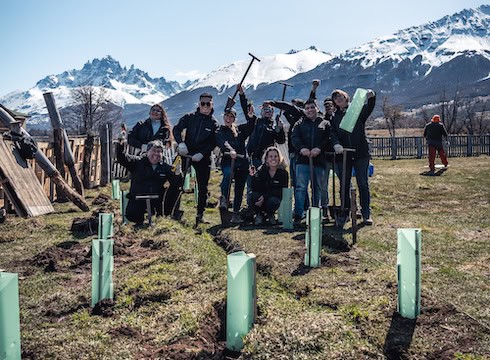
As part of our commitment to involving citizens, institutions, and companies in the native forest restoration process, we have hosted over 6 volunteering events in this reserve.

¿Por qué colaborar con nosotros?

Invierte con tu empresa en acciones concretas por el planeta

¿Por qué colaborar con nosotros?

Invierte con tu empresa en acciones concretas por el planeta

¿Por qué colaborar con nosotros?

Invierte con tu empresa en acciones concretas por el planeta

¿Por qué colaborar con nosotros?

Invierte con tu empresa en acciones concretas por el planeta

¿Por qué colaborar con nosotros?

Invierte con tu empresa en acciones concretas por el planeta

¿Por qué colaborar con nosotros?

Invierte con tu empresa en acciones concretas por el planeta

¿Por qué colaborar con nosotros?

Invierte con tu empresa en acciones concretas por el planeta

¿Por qué colaborar con nosotros?

Invierte con tu empresa en acciones concretas por el planeta

¿Por qué colaborar con nosotros?

Invierte con tu empresa en acciones concretas por el planeta

¿Por qué colaborar con nosotros?

Invierte con tu empresa en acciones concretas por el planeta

¿Por qué colaborar con nosotros?

Invierte con tu empresa en acciones concretas por el planeta

¿Por qué colaborar con nosotros?

Invierte con tu empresa en acciones concretas por el planeta

¿Por qué colaborar con nosotros?

Invierte con tu empresa en acciones concretas por el planeta

¿Por qué colaborar con nosotros?

Invierte con tu empresa en acciones concretas por el planeta

¿Por qué colaborar con nosotros?

Invierte con tu empresa en acciones concretas por el planeta