Soledad Corti Otaegui

Soledad Corti Otaegui de Chile ha plantado 1 árbol en la Patagonia.

0

Árboles plantados

Cerro Castillo National Park

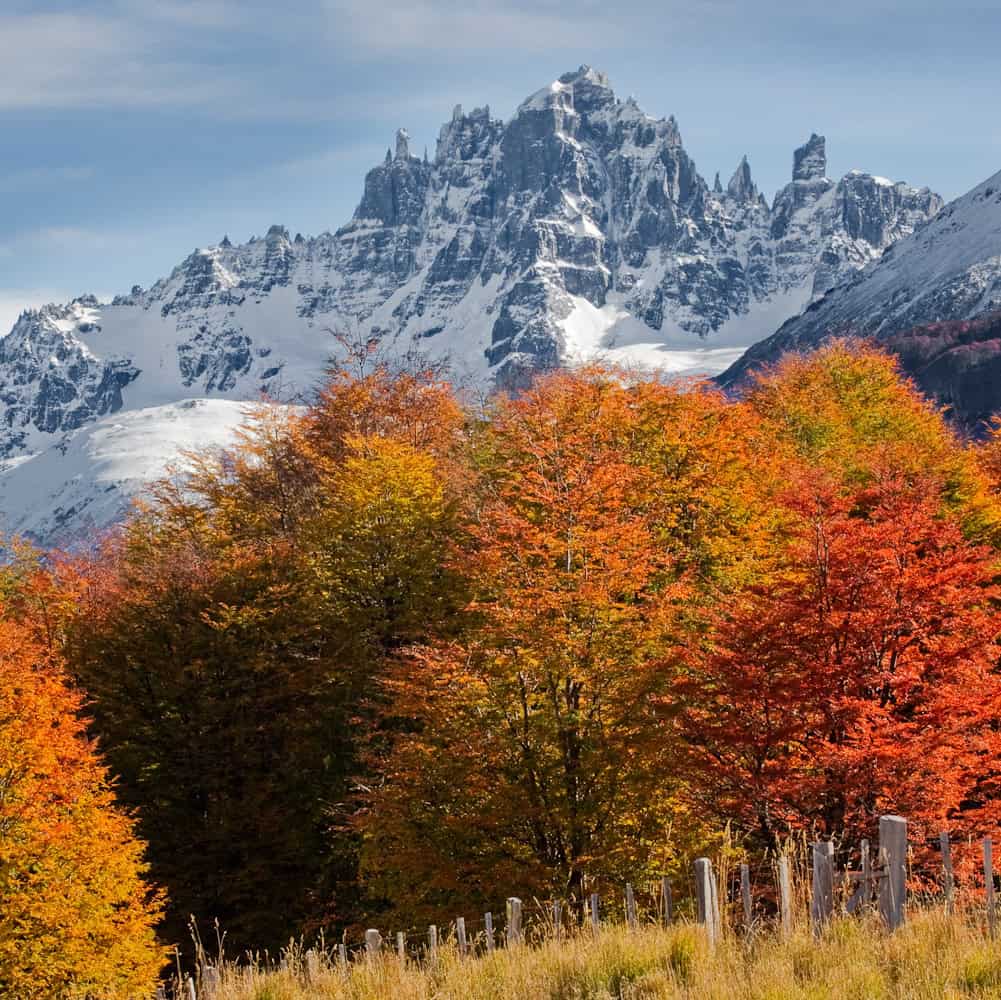
In the heart of Patagonia lies a natural treasure of incomparable beauty: Cerro Castillo National Park. Located in the Aysén region, it captivates visitors with its majestic mountain range, Patagonian Andean forests, and crystal-clear lagoons that reflect untamed nature in its most pristine state.

Covering an area of 138,164 hectares, the park is divided into three separate sectors: Lago Elizalde, Lago Paloma, and Cerro Castillo. Established in 1970 as Cerro Castillo National Reserve, it was designated in 2018 as one of Chile’s new National Parks, becoming one of the main highlights of the new “Route of Parks” (Ruta de los Parques).

RELEVANCE

Cerro Castillo National Park protects a wide variety of ecosystems—from native forests to glaciers, lagoons, and mountains—making it one of the most attractive landscapes in our country. Its iconic Cerro Castillo, with its sharp peaks and glacier, draws visitors from all over the world, turning into a destination that provides economic opportunities for local communities while promoting sustainable development and regional conservation.

Furthermore, it serves as a crucial freshwater source for nearby towns, mainly Villa Cerro Castillo and Puerto Ingeniero Ibáñez, which depend directly on water originating from glacier meltwater streams and high-mountain precipitation.

Photo credit: Fundación Rewilding Chile.

FLORA

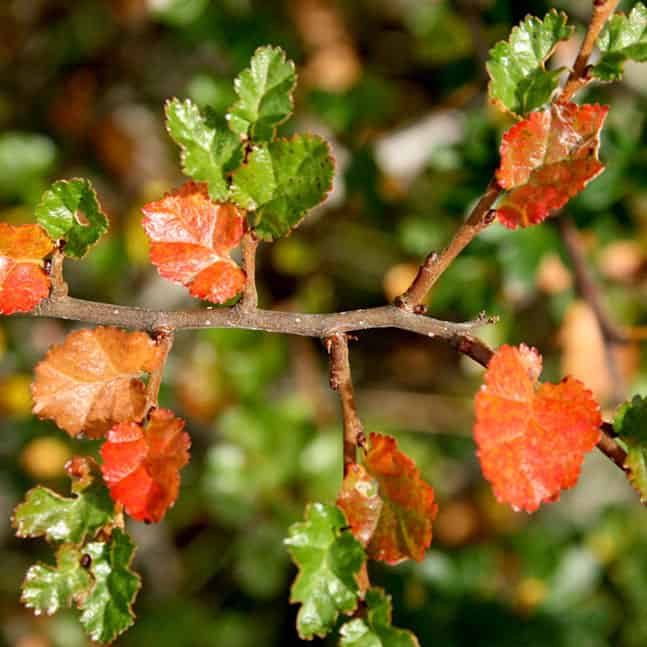
Deciduous forests dominate the park, highlighted by two of its signature native trees: the lenga and ñirre, though evergreen species like the Magellan’s beech (coigüe de Magallanes) can also be found. Among its shrub species, notable examples include Chilean firebush (notros), calafates, chilcos, and chauras, while toward the end of spring, endemic species of wild orchids begin to bloom.

Photo credit: Federico González Brizzio.

FAUNA

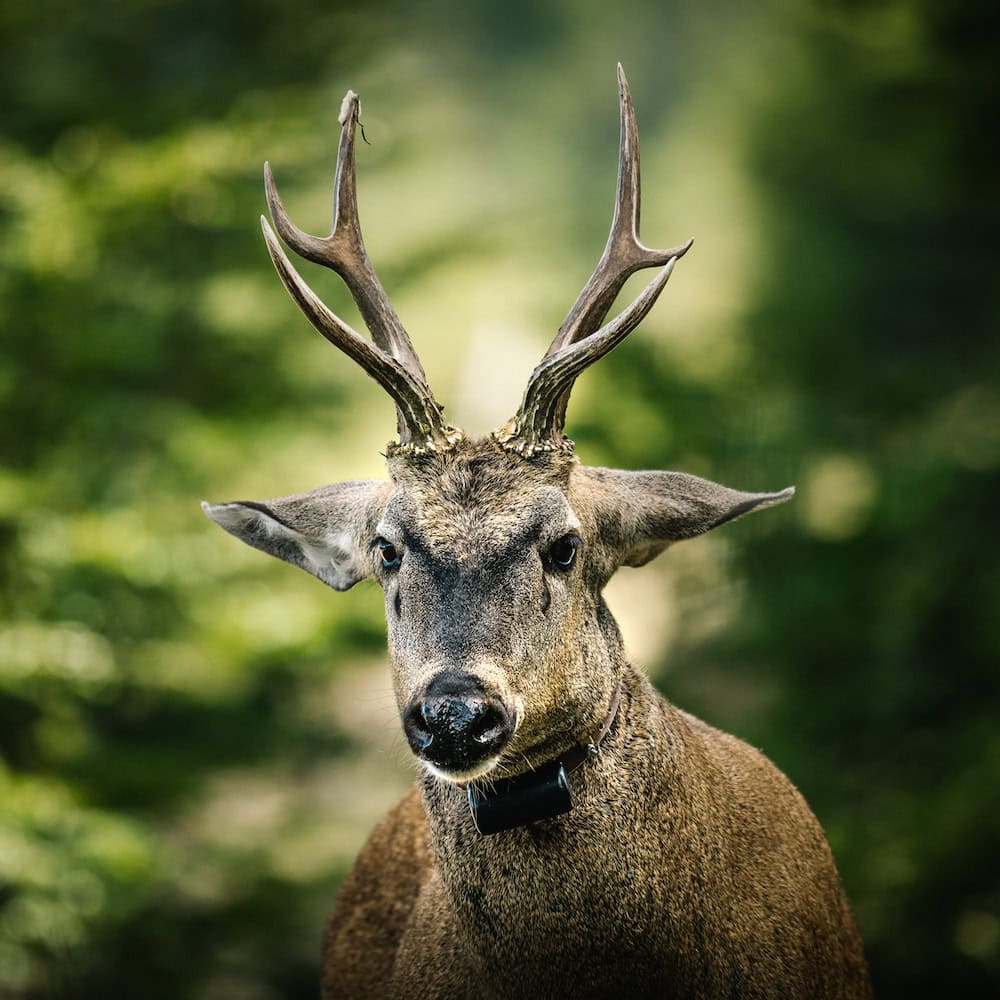
It is one of the few remaining locations that supports a population of the huemul deer (Hippocamelus bisulcus), an endangered species. It is estimated that no more than 1,500 huemules survive across Chile and Argentina, following population declines of over 99% and a reduction of more than 50% in their historic range. The park also inhabits the famous Andean condor, puma, and guanaco, and serves as a refuge for birds such as the thorn-tailed rayadito, Magellanic woodpecker, chucao tapaculo, and Magellanic tapaculo.

Photo credit: Fundación Rewilding Chile.

THE CHALLENGE

Since the beginning of the last century, we have witnessed devastating forest fires across the southern region of our country, leaving massive destruction over vast stretches of land in their wake. To better understand the reasons behind these fires, it is important to highlight the enactment of the Constitución de la Propiedad Austral law (Southern Property Constitution Law). This law incentivized clearing land and making investments as prerequisites for securing property titles. As a result, widespread forest burning became a common practice throughout southern Chile, including the Aysén region, to clear land and fulfill legal requirements—leading to disastrous consequences for the region’s forest ecosystems and biodiversity.

 

LINES OF ACTION

Since 2012—one year after our first reforestation effort in Torres del Paine National Park—we have been developing a comprehensive project to restore native forests across protected wilderness areas in the Aysén and Magallanes regions. At Cerro Castillo National Park, we carry out the following work:

Native Reforestation

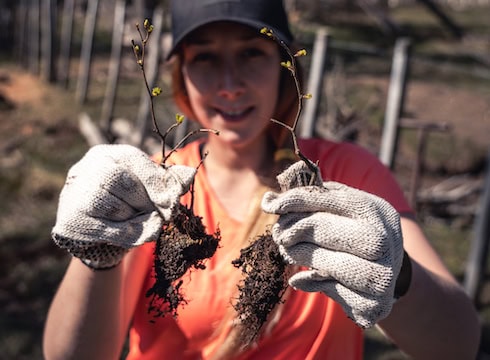
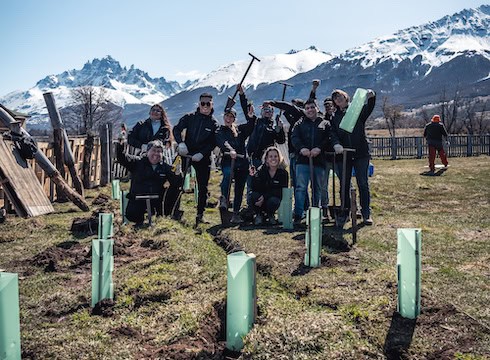
We have planted over 109,200 lenga trees (Nothofagus pumilio)—a species native to the Patagonian Andean forests of Chile and Argentina—across 54.6 hectares.

Volunteer Programs

We have hosted more than 11 volunteering events alongside community members, institutions, and companies such as Uber, Samsonite, and Wom, allowing participants to experience native reforestation firsthand and be part of the process.

Monitoring

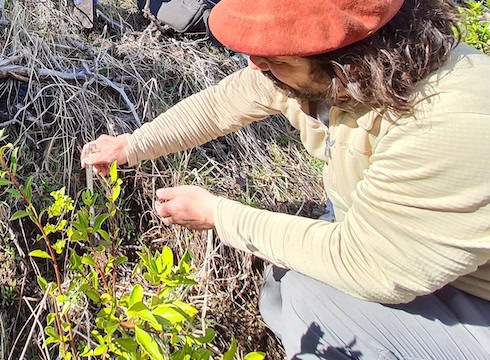
As with all of our projects, we carry out monitoring activities during the first five years of each plantation.

¿Por qué colaborar con nosotros?

Invierte con tu empresa en acciones concretas por el planeta

¿Por qué colaborar con nosotros?

Invierte con tu empresa en acciones concretas por el planeta

¿Por qué colaborar con nosotros?

Invierte con tu empresa en acciones concretas por el planeta

¿Por qué colaborar con nosotros?

Invierte con tu empresa en acciones concretas por el planeta

¿Por qué colaborar con nosotros?

Invierte con tu empresa en acciones concretas por el planeta

¿Por qué colaborar con nosotros?

Invierte con tu empresa en acciones concretas por el planeta

¿Por qué colaborar con nosotros?

Invierte con tu empresa en acciones concretas por el planeta

¿Por qué colaborar con nosotros?

Invierte con tu empresa en acciones concretas por el planeta

¿Por qué colaborar con nosotros?

Invierte con tu empresa en acciones concretas por el planeta

¿Por qué colaborar con nosotros?

Invierte con tu empresa en acciones concretas por el planeta

¿Por qué colaborar con nosotros?

Invierte con tu empresa en acciones concretas por el planeta

¿Por qué colaborar con nosotros?

Invierte con tu empresa en acciones concretas por el planeta

¿Por qué colaborar con nosotros?

Invierte con tu empresa en acciones concretas por el planeta

¿Por qué colaborar con nosotros?

Invierte con tu empresa en acciones concretas por el planeta

¿Por qué colaborar con nosotros?

Invierte con tu empresa en acciones concretas por el planeta