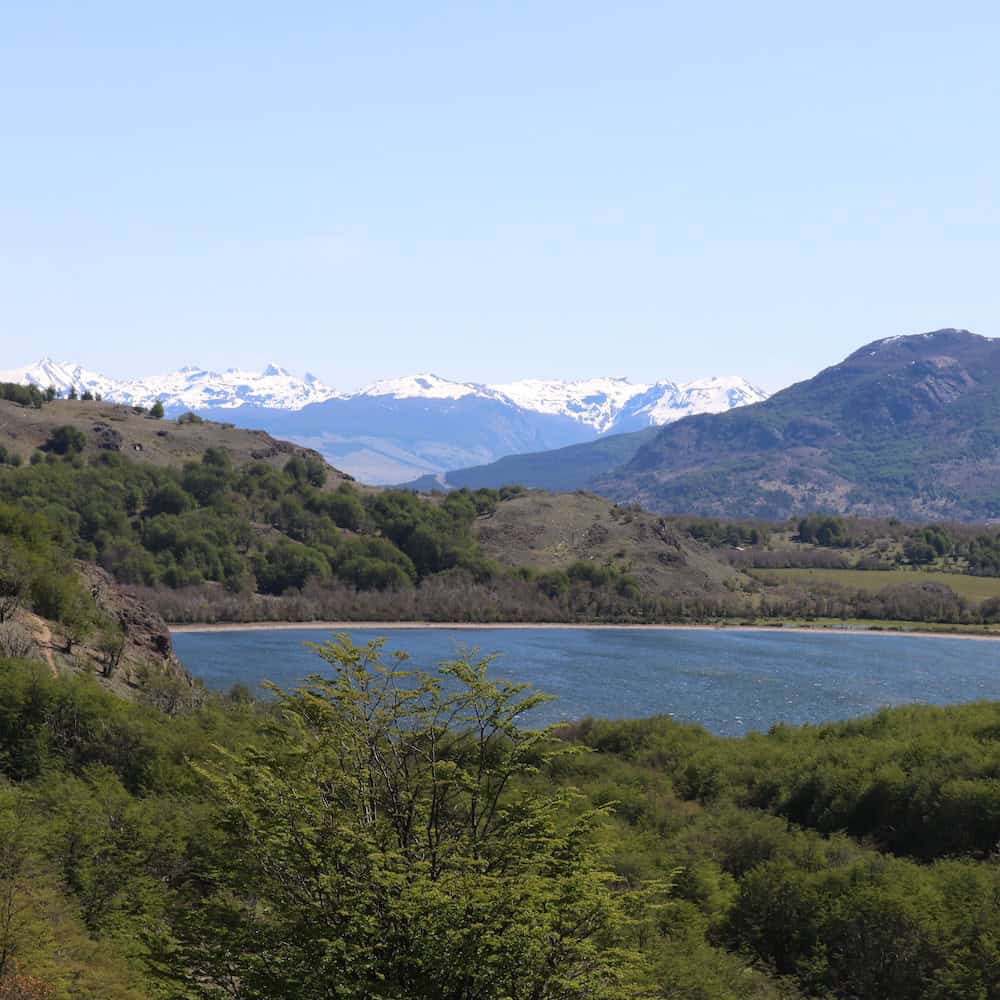
In Chile, there are only 18 areas categorized as Natural Monuments, created ‘to conserve a specific feature or a determined species of flora or fauna by declaring a region, an isolated feature, or a species as an inviolable natural monument, except for duly authorized scientific research or government inspections’ (CONAF).
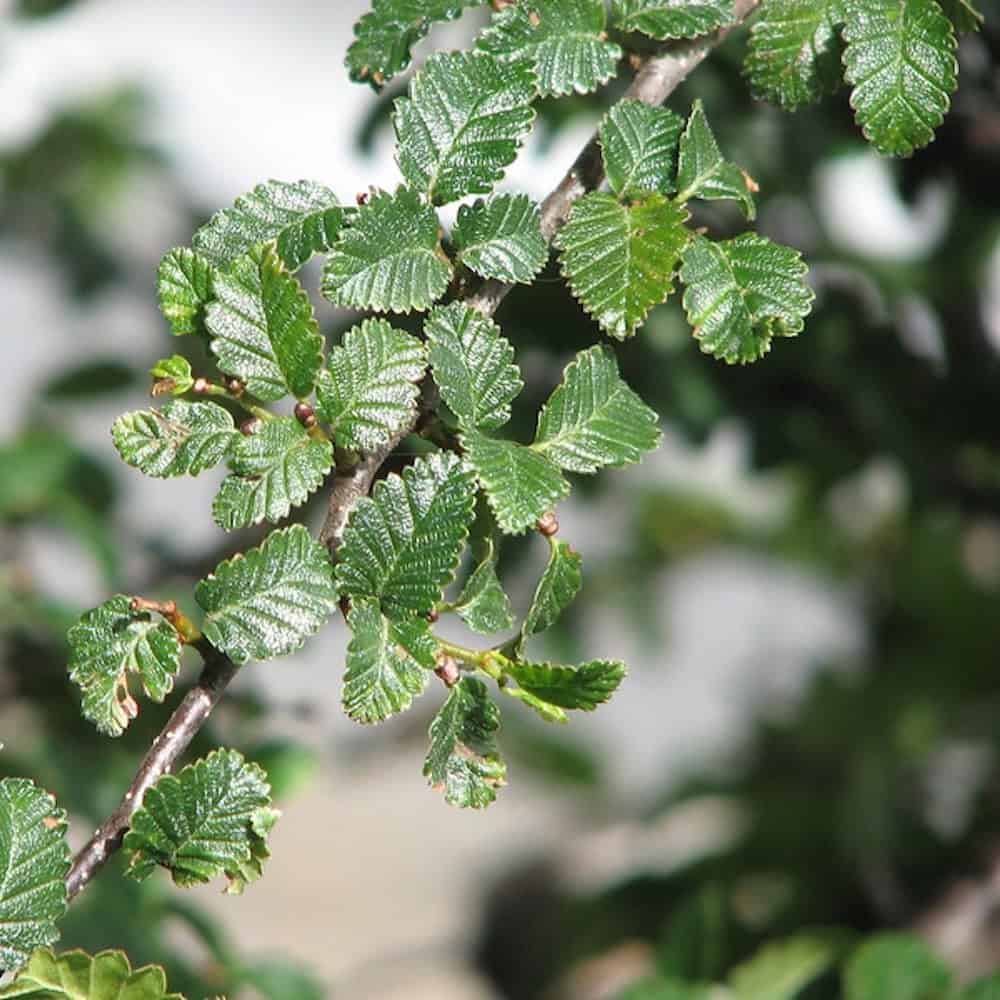
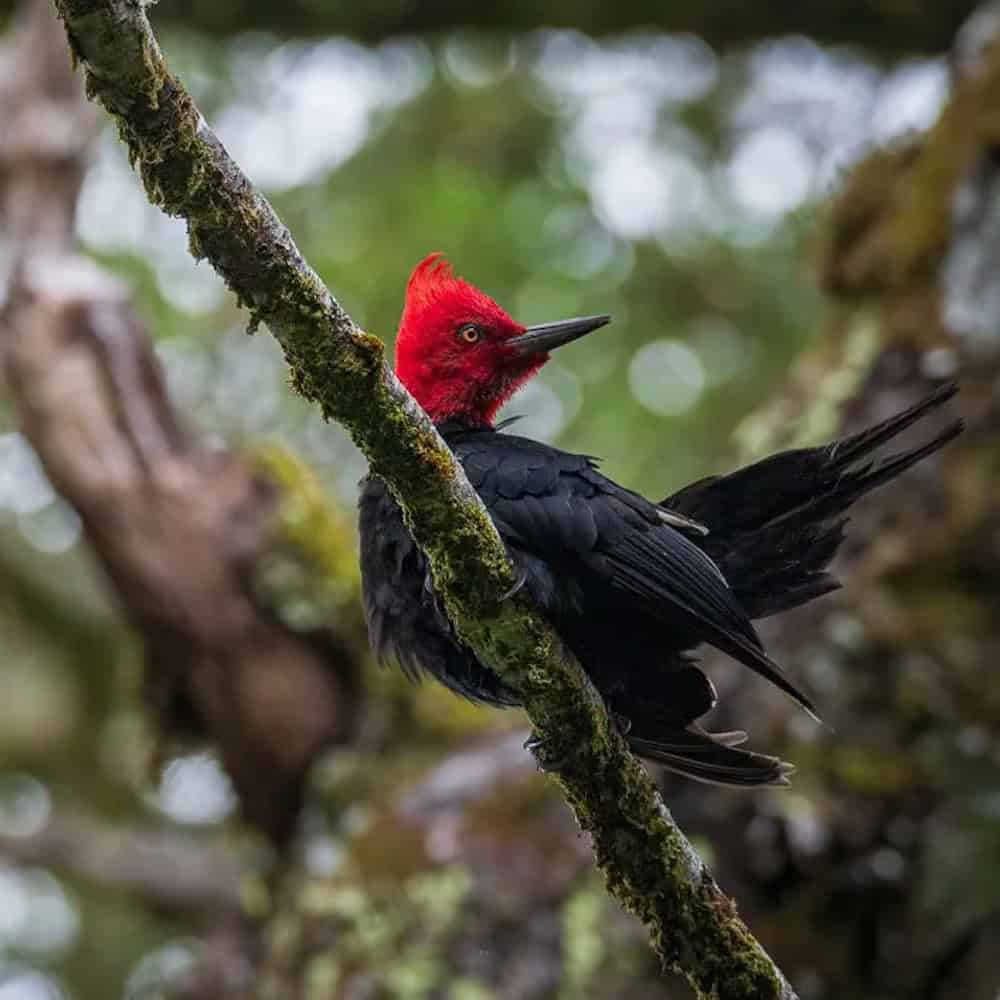
In this case, the Dos Lagunas Natural Monument features a transitional environment between the Patagonian Steppe and the Aysén Deciduous Forest, ‘protecting what in ecology is known as an ecotone—that is, transition zones between two or more ecological communities. This becomes even more critical given that the area surrounding the Natural Monument is predominantly used for livestock and forestry, leading to evident ecosystem degradation and subsequent loss of biodiversity’ (CONAF).